
Water Extraction in Enterprise, AL When Every Minute Counts
Restoration
Mitigation
Reconstruction
Standing water left inside a home or business does not wait for a convenient time to cause damage. Enterprise Now Operations LLC provides water extraction in Enterprise, AL for flooding caused by burst pipes, appliance failures, storm intrusion, and sewage backups, removing standing water before it soaks deeper into flooring, drywall, and framing. Water extraction is the first and most time-sensitive step in any water damage response, since the longer water sits, the more materials it saturates and the higher the risk of mold growth and structural damage becomes.
Call Enterprise Now Operations LLC
now for emergency water extraction in Enterprise, AL.
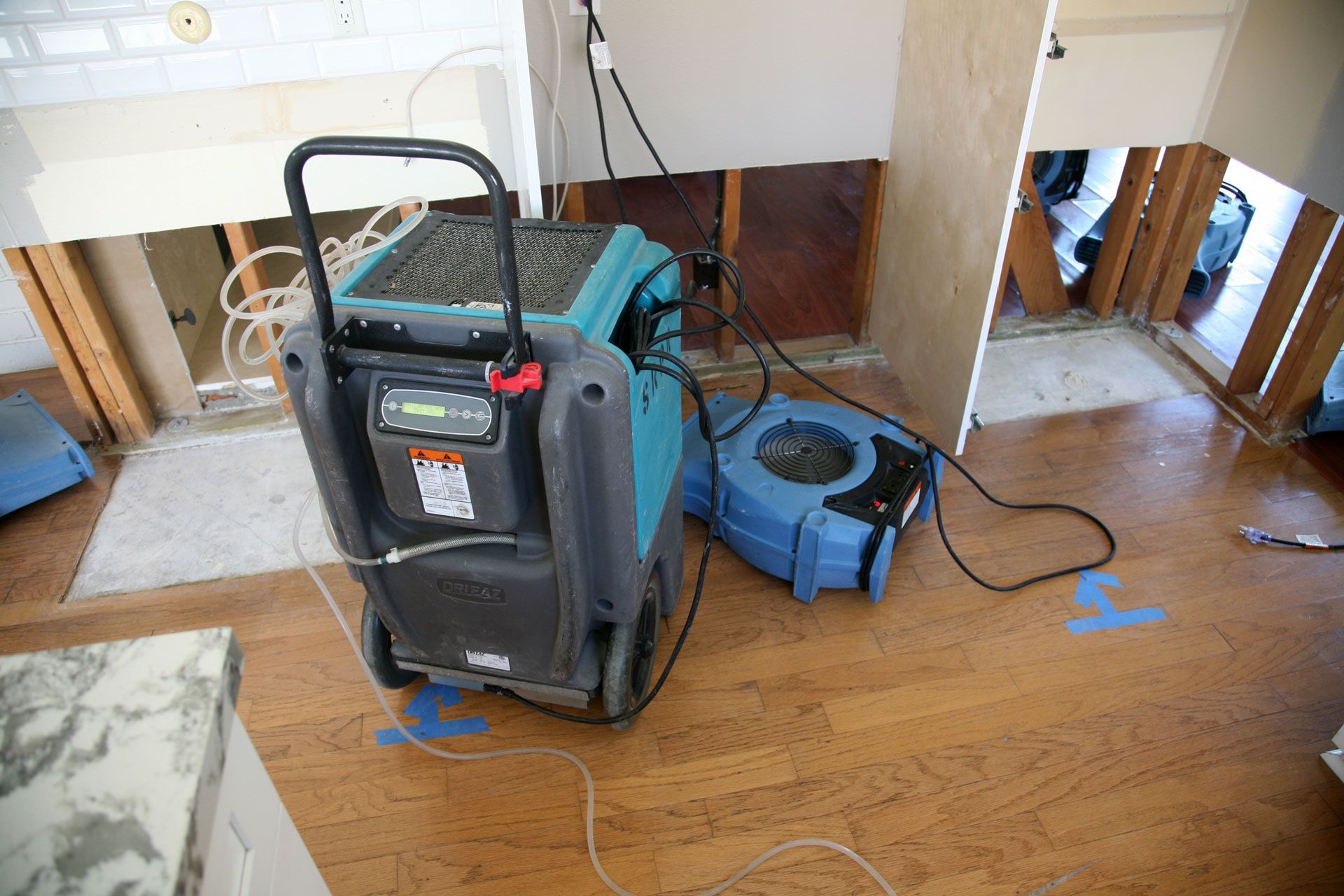
What Water Extraction Involves
Water extraction is the physical removal of standing water from a property using pumps, wet vacuums, and other specialized equipment designed to pull water out quickly and completely. Enterprise Now Operations LLC begins water extraction by identifying the depth and spread of standing water across floors, carpets, and lower-level structures, since the extraction method used often depends on how much water is present and what type of flooring or surface it is sitting on. Water extraction differs from drying in that it focuses solely on removing bulk water, while drying services address the remaining moisture trapped inside porous materials after extraction is complete.
Submersible Pumps for Deep Water
When standing water exceeds a couple of inches, water extraction typically requires submersible pumps capable of moving large volumes quickly. Enterprise Now Operations LLC deploys pumping equipment sized to the depth and area of flooding, since undersized pumps extend the water extraction timeline and allow water to keep spreading.
Flooring Removal
Flooring removal becomes necessary when carpet, hardwood, laminate, or tile has been saturated by water or affected by mold growing beneath the surface. Enterprise Now Operations evaluates moisture levels before beginning flooring removal, identifying which materials must be replaced and which portions of the subfloor may still be salvageable. This service also supports renovation projects that require old flooring removed before new material is installed.
Wet Vacuums for Shallow Water and Carpet
Shallow standing water and water trapped within carpet fibers require truck-mounted or portable wet vacuum extraction rather than pumps. uses wet vacuum extraction on carpeted areas during water extraction to pull moisture out of both the carpet and the padding underneath before it reaches the subfloor.
Reach out to Enterprise Now Operations LLC
for rapid water extraction after a flood or pipe burst in Enterprise, AL.
Mold remediation identifies the moisture source feeding a mold problem, removes contaminated materials, and verifies that spore levels have returned to normal before a space is considered restored. Enterprise Now Operations uses containment barriers and HEPA air filtration during mold remediation to prevent spores from spreading to unaffected areas of a property. Post-remediation testing confirms the work was effective, giving property owners documentation that the mold issue has genuinely been resolved.
Mold Remediation
The Water Extraction Process
Water extraction begins the moment a technician arrives on site, since delaying removal allows water to migrate into walls, cabinetry, and structural framing. Enterprise Now Operations LLC assesses the source of the water first to confirm it has been stopped, then moves directly into extraction using the equipment best suited to the depth and surface type involved. Water extraction continues until no standing water remains on hard surfaces and carpet has been extracted to the point where padding underneath can begin releasing moisture through the drying process that follows.
Water extraction from tile, hardwood, and laminate flooring focuses on removing surface water quickly to limit how much soaks into seams, grout lines, and subfloor material underneath. Enterprise Now Operations LLC prioritizes hard flooring extraction early, since water sitting on these surfaces can migrate beneath the material within a short period.
Extraction From Hard Flooring
Carpet and its padding hold significantly more water than hard flooring, making water extraction from these materials more time-intensive. Enterprise Now Operations LLC uses weighted extraction tools during water extraction to compress carpet and padding, pulling out water that would otherwise remain trapped and continue feeding moisture into the subfloor.
Extraction From Carpet and Padding
Contact Enterprise Now Operations LLC for water extraction service in Enterprise, AL today.
Water Extraction and Contamination Levels
Not all standing water is the same, and water extraction procedures shift depending on the contamination level of the water involved. Clean water from a supply line requires standard water extraction procedures, while gray water from appliances or black water from sewage backups requires additional safety measures during extraction to protect both the property and anyone performing the work. Enterprise Now Operations LLC classifies water contamination before beginning water extraction, since this classification determines the equipment, protective measures, and disposal procedures used throughout the job.
Extraction of Contaminated Water
Water extraction involving gray or black water requires disposable or sanitized equipment and additional personal protective measures to prevent contamination from spreading. Enterprise Now Operations LLC follows industry-standard contamination protocols during water extraction any time sewage or heavily contaminated floodwater is present.
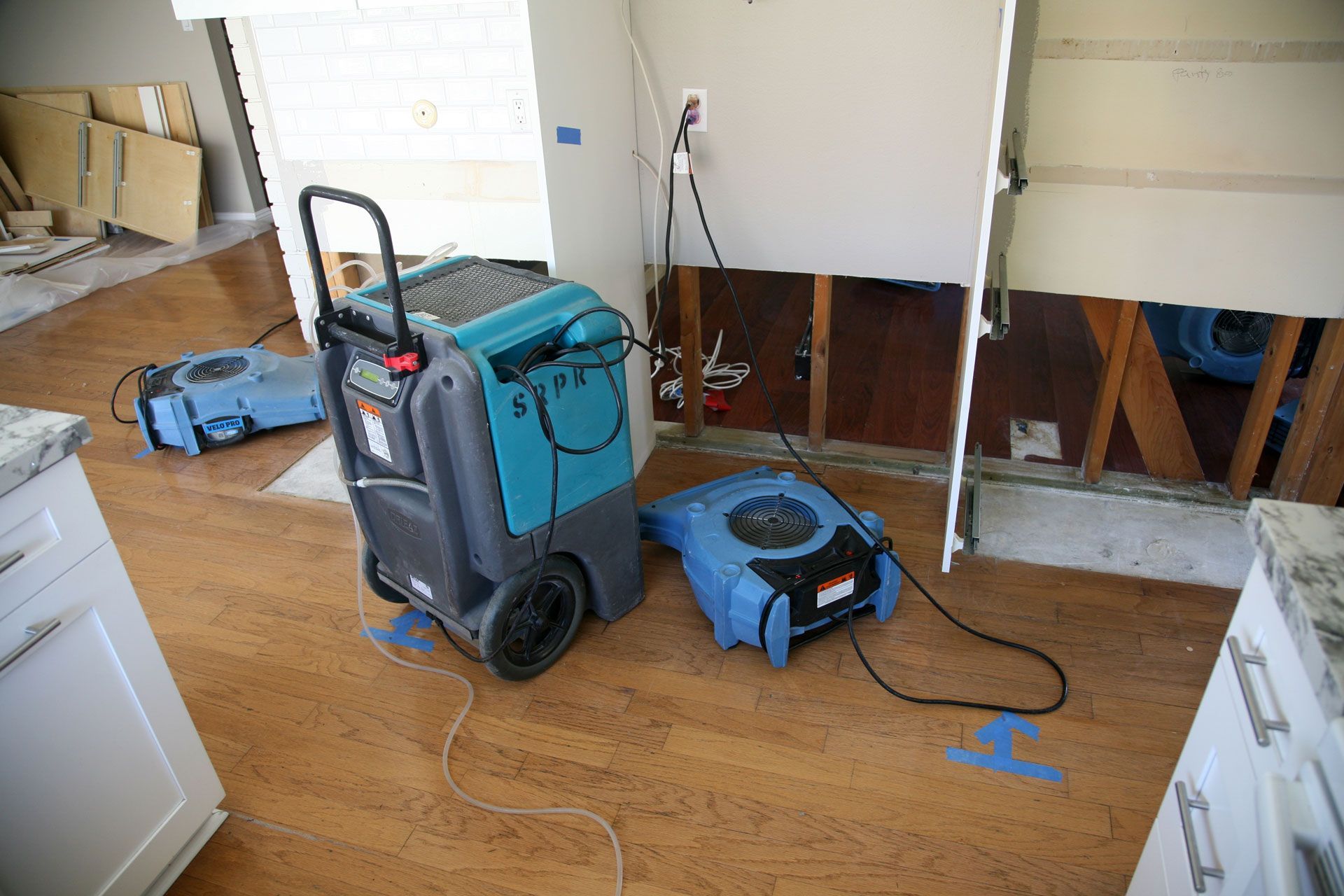
Why Fast Water Extraction Prevents Bigger Problems
The speed of water extraction directly affects how much a property is damaged by a flooding event. Materials left sitting in standing water for extended periods absorb more moisture, swell, and in many cases cannot be salvaged once water extraction finally begins. Enterprise Now Operations LLC prioritizes rapid response for water extraction calls throughout Enterprise, AL, since starting extraction within the first few hours significantly reduces the scope of drying, repair, and reconstruction that follows.
Mold remediation identifies the moisture source feeding a mold problem, removes contaminated materials, and verifies that spore levels have returned to normal before a space is considered restored. Enterprise Now Operations uses containment barriers and HEPA air filtration during mold remediation to prevent spores from spreading to unaffected areas of a property. Post-remediation testing confirms the work was effective, giving property owners documentation that the mold issue has genuinely been resolved.
Mold Remediation
Water Extraction as the First Step in Restoration
Water extraction sets up every stage of restoration that comes after it. Enterprise Now Operations LLC coordinates water extraction directly with drying services, moisture monitoring, and any needed repairs, since incomplete extraction leaves excess moisture behind that slows the entire restoration timeline. Properties in Enterprise, AL recovering from flooding depend on thorough water extraction as the foundation for a restoration process that actually resolves the damage rather than masking it temporarily.
Schedule emergency water extraction with Enterprise Now Operations LLC
in Enterprise, AL now.
Frequently Asked Questions
How quickly should water extraction begin after a flood?
Water extraction should begin as soon as possible, ideally within hours of a flooding event, since standing water left in place continues to soak into flooring, drywall, and framing the longer it remains untreated.
What equipment is used for water extraction?
Water extraction relies on submersible pumps for deep standing water and truck-mounted or portable wet vacuums for shallow water and carpeted areas, with equipment selected based on the depth and surface type involved.
How is water extraction different from drying services?
Water extraction removes bulk standing water from a property, while drying services address the remaining moisture trapped inside walls, subflooring, and other porous materials after extraction is complete.
Can carpet be saved after water extraction?
Carpet can often be saved if water extraction begins promptly and the water involved is clean, though carpet exposed to contaminated water or left saturated for more than 24 to 48 hours typically needs to be removed instead.
Does water extraction remove all the moisture from a flooded area?
Water extraction removes standing water but does not eliminate moisture absorbed into porous materials, which is why drying services with air movers and dehumidifiers are needed after extraction is finished.
How long does water extraction take?
Water extraction for a typical flooded room takes a few hours, though the timeline depends on the depth of standing water, the square footage affected, and whether carpet extraction is involved.
Is water extraction covered by homeowners insurance?
Water extraction is often covered when it results from a sudden, covered event such as a burst pipe, though coverage depends on the specific policy and the source of the water.
What happens if water extraction is delayed?
Delayed water extraction allows water to spread further into walls, subflooring, and framing, increasing the likelihood of mold growth and the overall scope of repair needed afterward.
Can water extraction be done in a home with contaminated floodwater?
Yes, water extraction from contaminated water requires additional safety protocols and specialized equipment to protect the property and anyone performing the extraction from exposure to bacteria or sewage.
Is water extraction necessary if only a small area is affected?
Water extraction is recommended any time standing water is present, even in a small area, since even limited flooding can seep into subflooring or baseboards if left unaddressed.
