
Fire and Smoke Damage Restoration in Enterprise, AL
Restoration
Mitigation
Reconstruction
A fire does not have to destroy an entire structure to leave behind serious damage. Enterprise Now Operations LLC provides fire and smoke damage restoration in Enterprise, AL for homes and businesses dealing with soot residue, smoke odor, heat damage, and the water used to extinguish the flames. Fire and smoke damage restoration addresses more than the visibly burned areas, since smoke particles travel through HVAC systems, settle into fabrics, and penetrate porous surfaces well beyond the original point of the fire.
Call Enterprise Now Operations LLC
now for fire and smoke damage restoration in Enterprise, AL.
Soot and Residue Types
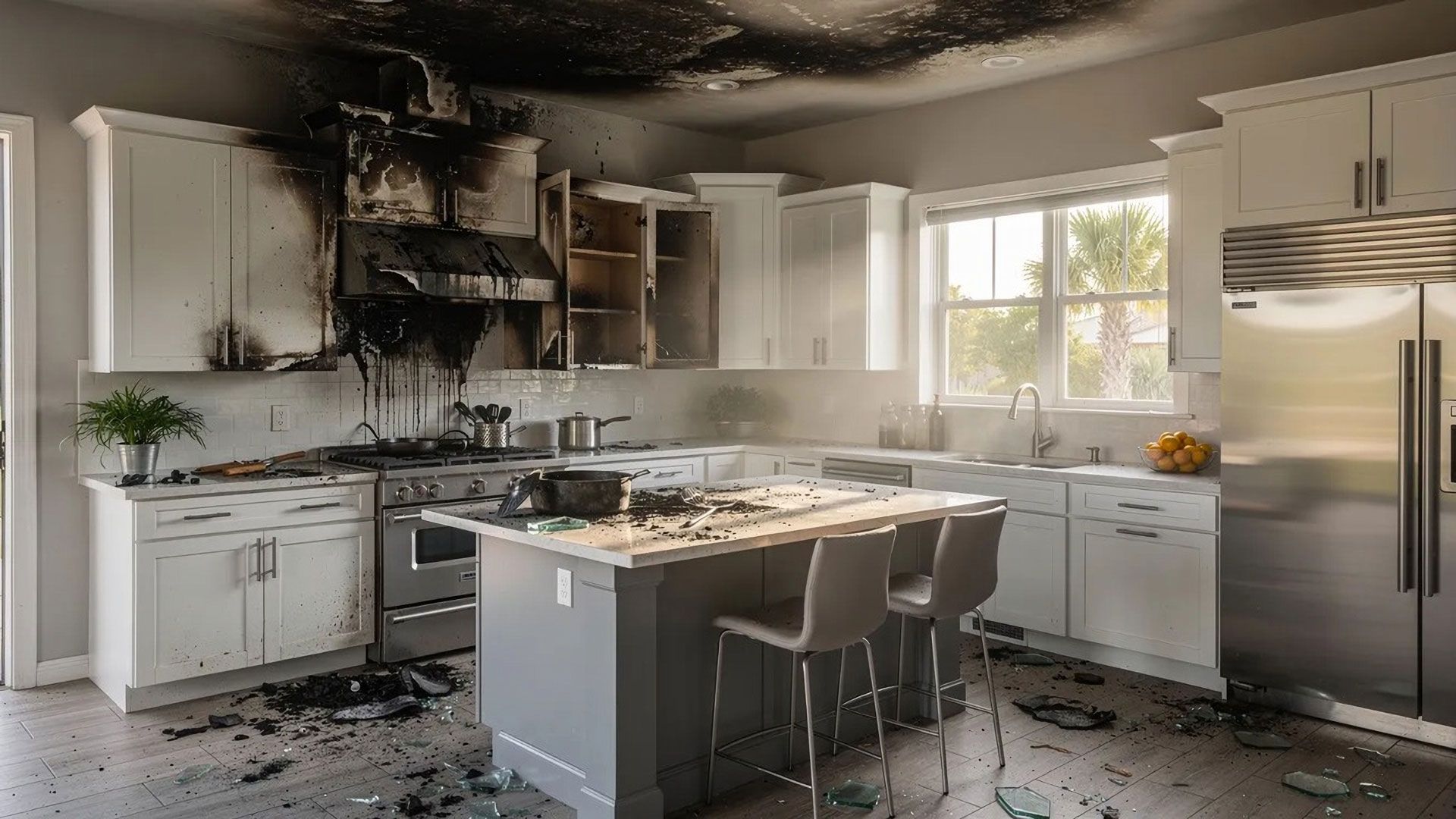
Understanding Fire and Smoke Damage
Fire and smoke damage restoration covers cleaning soot and residue, removing smoke odor, repairing heat-damaged materials, and addressing any water damage left behind from firefighting efforts. Enterprise Now Operations LLC evaluates the type of fire, the materials that burned, and how far smoke traveled through the property before beginning fire and smoke damage restoration, since these factors change which cleaning methods and equipment are needed. Smoke from a kitchen fire behaves differently than smoke from a structural fire involving synthetic materials, and fire and smoke damage restoration is tailored to the specific residue left behind.
Flooring Removal
Flooring removal becomes necessary when carpet, hardwood, laminate, or tile has been saturated by water or affected by mold growing beneath the surface. Enterprise Now Operations evaluates moisture levels before beginning flooring removal, identifying which materials must be replaced and which portions of the subfloor may still be salvageable. This service also supports renovation projects that require old flooring removed before new material is installed.
Soot and Residue Types
Fire and smoke damage restoration requires identifying whether soot is dry, wet, or protein-based, since each type responds to different cleaning methods. Dry soot from a fast-burning fire wipes away more easily, while wet soot from a smoldering fire tends to smear and require more intensive cleaning during fire and smoke damage restoration.
Mold remediation identifies the moisture source feeding a mold problem, removes contaminated materials, and verifies that spore levels have returned to normal before a space is considered restored. Enterprise Now Operations uses containment barriers and HEPA air filtration during mold remediation to prevent spores from spreading to unaffected areas of a property. Post-remediation testing confirms the work was effective, giving property owners documentation that the mold issue has genuinely been resolved.
Mold Remediation
The Fire and Smoke Damage Restoration Process
Fire and smoke damage restoration begins with an inspection to document the extent of the damage and identify every area affected by heat, smoke, or soot, including spaces not immediately visible such as inside cabinets, ductwork, and wall cavities. Enterprise Now Operations LLC boards up any exposed openings and removes debris before starting the cleaning phase of fire and smoke damage restoration, protecting the property from weather and further contamination while work continues. Surfaces affected by soot are then cleaned using techniques matched to the material, from dry sponging on delicate surfaces to wet cleaning on more durable materials.
Fire and smoke damage restoration addresses walls, ceilings, and flooring using cleaning agents formulated to break down soot without spreading residue further into the material. Enterprise Now Operations LLC tests cleaning methods on small sections first during fire and smoke damage restoration to confirm the approach will not damage the underlying surface
Cleaning Structural Surfaces
Fire and smoke damage restoration also includes cleaning furniture, textiles, and personal belongings affected by smoke exposure. Enterprise Now Operations LLC sorts salvageable items from those beyond repair during fire and smoke damage restoration, treating recoverable belongings with specialized cleaning methods suited to the material.
Cleaning Contents and Belongings
Reach out to Enterprise Now Operations LLC for fire and smoke damage cleanup in Enterprise, AL.
Smoke Odor Removal
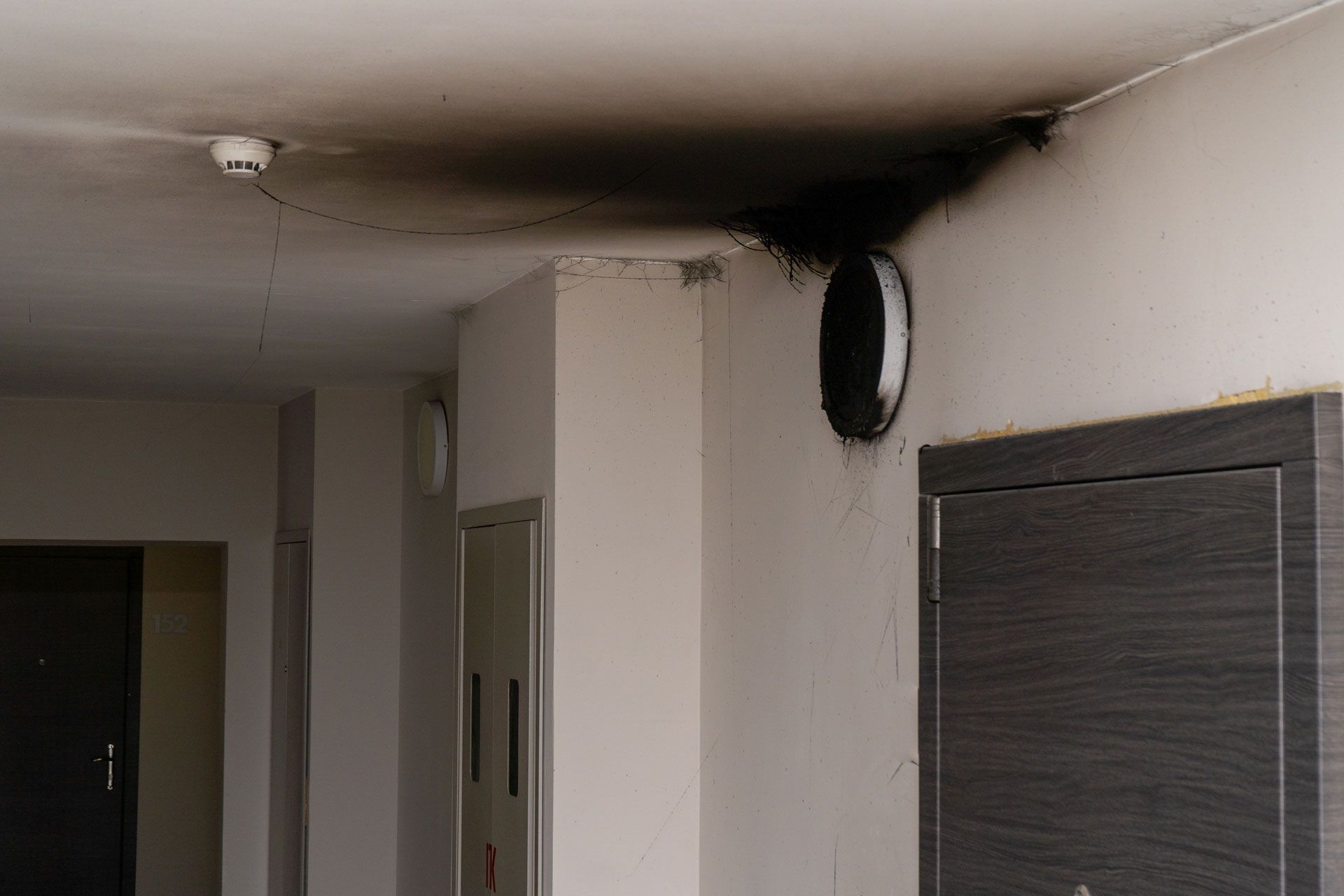
Fire and smoke damage restoration is not complete until smoke odor has been fully addressed, since smoke particles embed themselves into drywall, insulation, and fabric in ways that surface cleaning alone cannot resolve. Enterprise Now Operations LLC uses air scrubbing, thermal fogging, and ozone treatment as part of fire and smoke damage restoration to neutralize odor at the molecular level rather than simply masking it. Odor removal is often the most overlooked part of fire and smoke damage restoration, yet it is frequently the difference between a property that feels fully restored and one that still carries a lingering reminder of the fire.
Treating Odor in HVAC Systems
Smoke particles pulled through an HVAC system during a fire continue circulating odor throughout a property long after visible cleanup is finished. Fire and smoke damage restoration includes cleaning or replacing affected ductwork and filters to stop odor from recirculating through the home or business.
Water Damage From Firefighting Efforts
Fire and smoke damage restoration frequently overlaps with water damage restoration, since extinguishing a fire often leaves behind significant water from hoses and sprinkler systems. Enterprise Now Operations LLC addresses this water as part of fire and smoke damage restoration, extracting standing water and drying affected materials alongside the soot and odor cleanup so the property is not left with a secondary moisture problem after the fire damage has been addressed.
Contact Enterprise Now Operations LLC
to begin fire and smoke damage restoration in Enterprise, AL.
Mold remediation identifies the moisture source feeding a mold problem, removes contaminated materials, and verifies that spore levels have returned to normal before a space is considered restored. Enterprise Now Operations uses containment barriers and HEPA air filtration during mold remediation to prevent spores from spreading to unaffected areas of a property. Post-remediation testing confirms the work was effective, giving property owners documentation that the mold issue has genuinely been resolved.
Mold Remediation
Structural Repairs After Fire Damage
Fire and smoke damage restoration often requires structural repair once cleaning is complete, particularly in areas where heat has compromised drywall, framing, or flooring. Enterprise Now Operations LLC
coordinates fire and smoke damage restoration with any necessary reconstruction, replacing materials that cannot be cleaned or repaired so the property returns to a safe, pre-fire condition rather than simply having the visible soot removed.
Frequently Asked Questions
How soon should fire and smoke damage restoration begin after a fire?
Fire and smoke damage restoration should begin as soon as the property is cleared by fire officials, since soot residue becomes more difficult to remove the longer it sits on surfaces and smoke odor continues to spread through the structure.
Can smoke odor be completely removed from a home?
Yes, fire and smoke damage restoration using air scrubbing, thermal fogging, or ozone treatment can neutralize smoke odor at the source rather than simply covering it up, though the process may take multiple treatments depending on severity.
Does fire and smoke damage restoration include cleaning personal belongings?
Yes, fire and smoke damage restoration typically includes assessing and cleaning furniture, clothing, and other belongings affected by smoke, sorting salvageable items from those that cannot be restored.
Is water damage part of fire and smoke damage restoration?
Fire and smoke damage restoration often includes addressing water left behind from firefighting efforts, since this water needs to be extracted and dried alongside the soot and odor cleanup.
How long does fire and smoke damage restoration take?
Fire and smoke damage restoration timelines vary widely based on the extent of the fire, ranging from several days for limited smoke damage to multiple weeks when structural repairs are also needed.
Will homeowners insurance cover fire and smoke damage restoration?
Fire and smoke damage restoration is typically covered under standard homeowners insurance policies, though coverage details depend on the specific policy and cause of the fire.
Can soot be cleaned from every surface?
Fire and smoke damage restoration can clean soot from most structural and hard surfaces, though heavily charred or porous materials that absorbed smoke deeply sometimes require replacement rather than cleaning.
What causes lingering smoke odor after cleaning?
Lingering odor after fire and smoke damage restoration usually means smoke particles remain trapped in materials like drywall, insulation, or ductwork that were not fully treated during the initial cleanup.
Does fire and smoke damage restoration address HVAC systems?
Yes, fire and smoke damage restoration includes inspecting and cleaning or replacing HVAC components, since smoke drawn through the system during a fire can continue circulating odor throughout the property.
Can a property be occupied during fire and smoke damage restoration?
This depends on the extent of the damage. Limited smoke damage may allow occupants to remain, while significant structural damage or heavy odor typically requires temporary relocation during fire and smoke damage restoration.
