
Flooring Removal in Enterprise, AL for Damaged and Outdated Floors
Restoration
Mitigation
Reconstruction
Water-soaked carpet, warped hardwood, and mold-affected subflooring all share one requirement before repair can begin, and that is proper flooring removal. Enterprise Now Operations LLC provides flooring removal in Enterprise, AL for properties dealing with water damage, mold contamination, or planned renovations that call for old flooring to come out before new material goes in. Flooring removal is rarely as simple as pulling up a surface layer, since subfloor condition, moisture levels, and the type of flooring involved all change how the removal needs to be handled.
Call Enterprise Now Operations LLC today to schedule flooring removal in Enterprise, AL.
Water-Damaged Flooring Removal
Flooring that has absorbed standing water usually cannot be salvaged in place, particularly carpet, carpet padding, and engineered wood products that swell and separate when saturated. Enterprise Now Operations LLC assesses moisture levels across the affected area before beginning flooring removal, identifying which sections are beyond saving and which portions of subfloor may still be dried and reused. This targeted approach to flooring removal keeps the project focused on what genuinely needs to be replaced.
Mold-Affected Flooring Removal
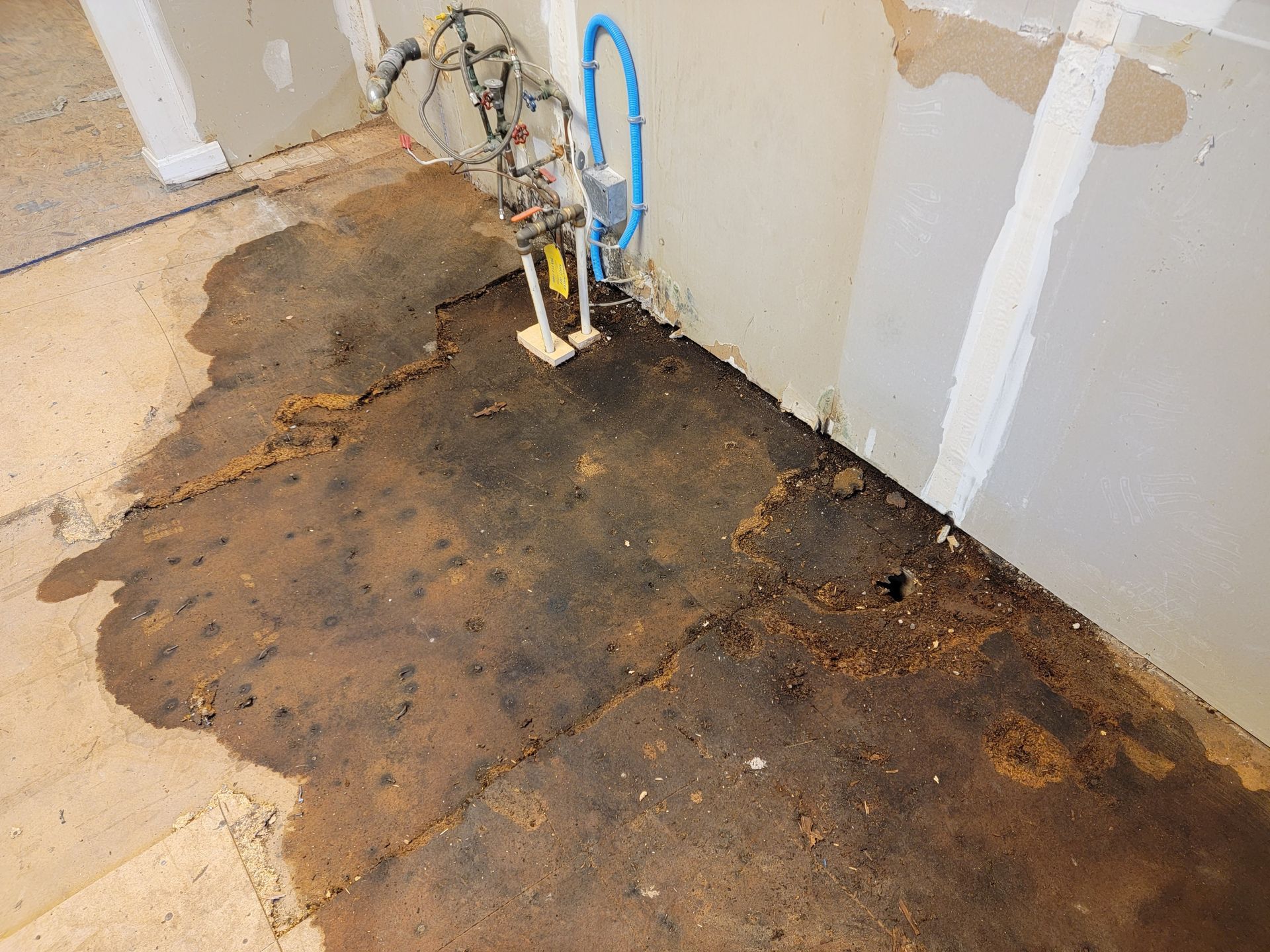
When mold has developed under carpet or within subfloor material, flooring removal requires containment procedures to prevent spores from spreading into the rest of the property during the work. Enterprise Now Operations LLC bags contaminated flooring material immediately during removal and inspects the subfloor underneath for any signs of continued moisture or fungal growth.
Reach out to Enterprise Now Operations LLC for water-damaged or moldy flooring removal in Enterprise, AL.
Flooring Removal
Flooring removal becomes necessary when carpet, hardwood, laminate, or tile has been saturated by water or affected by mold growing beneath the surface. Enterprise Now Operations evaluates moisture levels before beginning flooring removal, identifying which materials must be replaced and which portions of the subfloor may still be salvageable. This service also supports renovation projects that require old flooring removed before new material is installed.
The Flooring Removal Process
Flooring removal begins with identifying the type of flooring in place, since carpet, laminate, vinyl, tile, and hardwood each require different removal techniques and tools. Enterprise Now Operations LLC pulls carpet and padding first when present, then addresses any glued-down or nailed flooring materials underneath using methods that limit damage to the subfloor whenever the subfloor itself does not need to be replaced. Tile flooring removal typically requires more aggressive demolition due to the mortar bed beneath it, while laminate and vinyl flooring removal is usually faster since these materials are not permanently bonded to the subfloor in most installations.
Subfloor Inspection During Removal
Once the surface flooring is removed, the exposed subfloor is inspected for moisture content, rot, or structural weakness. Flooring removal that stops at the surface layer without checking the subfloor underneath can leave hidden problems in place, which is why Enterprise Now Operations LLC treats subfloor inspection as a standard part of every flooring removal job.
Debris Removal and Cleanup
Flooring removal generates substantial debris, particularly with tile or hardwood projects, and Enterprise Now Operations LLC bags and hauls away all removed material as part of the service. This keeps the work area clear and ready for drying equipment or new flooring installation without added cleanup on the property owner's part.
Flooring Removal for Renovation Projects
Not every flooring removal project starts with damage. Many Enterprise, AL property owners schedule flooring removal simply because they are updating a kitchen, bathroom, or living space and need the old material out before new flooring can be installed. In these cases, flooring removal is planned around the renovation timeline, with attention paid to whether the subfloor needs leveling, repair, or replacement before new material goes down.
Carpet Versus Hard Surface Removal
Carpet and padding removal is generally the quickest form of flooring removal, while tile, hardwood, and glued vinyl require more time and specialized tools to remove without damaging the subfloor. Enterprise Now Operations LLC plans the removal method around the specific flooring type to keep the project on schedule.
Contact Enterprise Now Operations LLC to plan your renovation flooring removal in Enterprise, AL.
What Happens After Flooring Removal
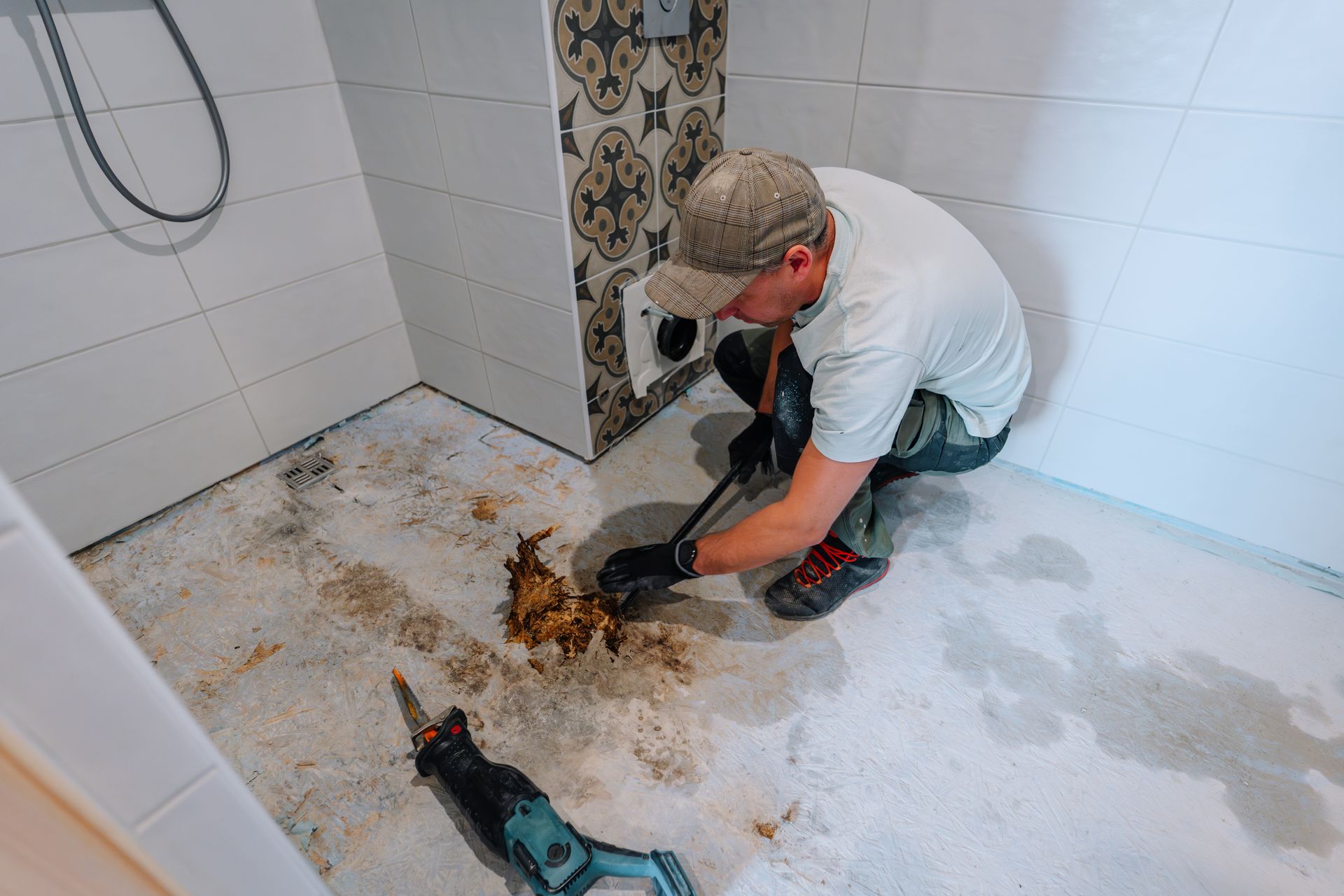
Once flooring removal is complete, the subfloor typically needs to dry fully if water damage was involved, and any rot, warping, or mold found underneath should be addressed before new flooring is installed. Enterprise Now Operations LLC coordinates flooring removal with any needed drying or subfloor repair so the property is not left with an exposed floor longer than necessary. Skipping proper drying or subfloor repair after flooring removal is one of the most common reasons new flooring fails prematurely, since moisture trapped beneath a new surface eventually leads to the same problems all over again.
Frequently Asked Questions
How much does flooring removal cost in Enterprise, AL?
Flooring removal costs vary based on the type of flooring, the square footage involved, and whether mold containment or subfloor repair is needed, so most providers quote flooring removal after an inspection.
Can water-damaged carpet be dried instead of removed?
Carpet that has been saturated for more than 24 to 48 hours, or that was exposed to contaminated water, usually cannot be safely dried in place and requires flooring removal rather than restoration.
How long does flooring removal take?
Flooring removal for a single room typically takes a few hours for carpet or laminate, while tile and hardwood flooring removal can take a full day or more depending on the installation method.
Does flooring removal include removing the subfloor?
Flooring removal typically addresses the surface material first, and the subfloor is only removed if it shows rot, delamination, or moisture damage during the inspection that follows removal.
Is flooring removal messy?
Flooring removal, especially with tile or hardwood, produces dust and debris, though professional removal includes protective coverings and full cleanup once materials are removed.
Can flooring removal be done without damaging the subfloor?
In many cases yes, particularly with carpet, laminate, and vinyl, though tile removal often requires more aggressive methods that can affect the subfloor depending on how it was originally installed.
How do I know if my flooring needs to be removed instead of cleaned?
Flooring that has visible swelling, delamination, persistent odor, or mold growth typically cannot be salvaged through cleaning alone and requires removal to address the underlying moisture problem.
Is flooring removal covered by insurance?
Flooring removal is often covered when it results from a sudden, covered event such as a burst pipe, though coverage depends on the specific policy and the cause of the damage.
What happens to the subfloor after flooring removal?
After flooring removal, the subfloor is inspected for moisture, rot, or structural damage, dried if needed, and repaired before new flooring is installed over it.
Can flooring removal be done in an occupied home or business?
Yes, flooring removal can typically be completed while a property remains occupied, particularly when the work is isolated to one room and proper dust or containment measures are used.
